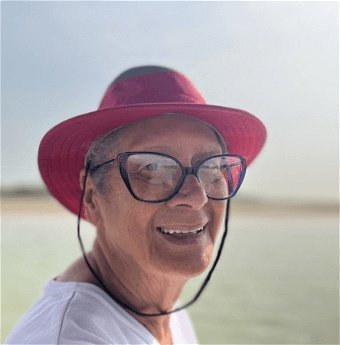
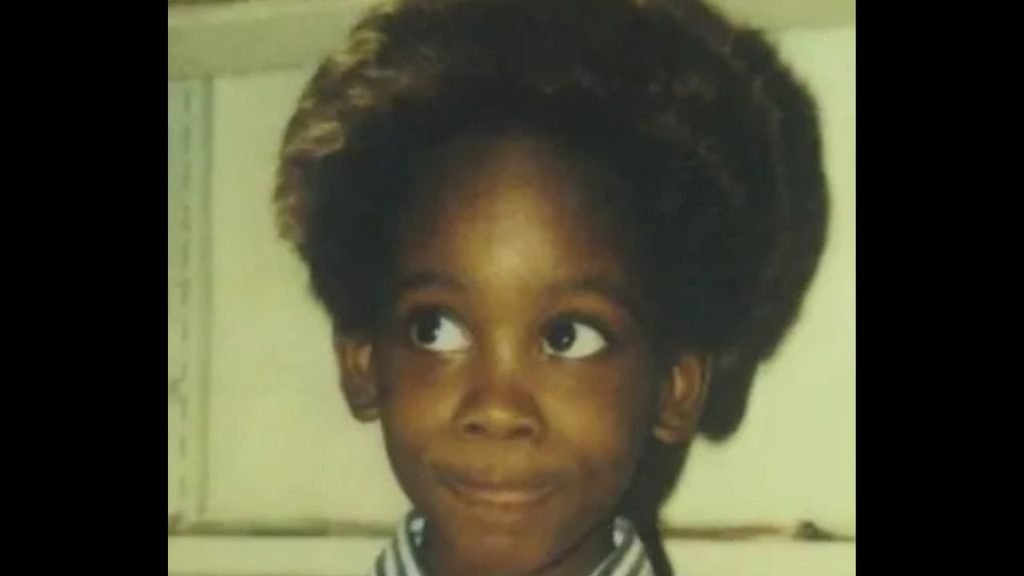
Professor Jason Arday, the British academic who made history at the University of Cambridge, was a father of two children, Taylah and Noah. His sudden death at the age of 41 on August 14, 2026, brought renewed attention to his family, including his former wife, Debbie-Ann McKenzie, and the children they raised together.
Arday was widely recognised for overcoming significant childhood developmental challenges before becoming one of Britain’s most prominent academics. However, behind his professional achievements was a personal life he largely protected from public attention.
Following his death, his relatives remembered him not only as a distinguished professor but also as a devoted father, partner, brother, uncle and son.
Who Are His Children?
Jason Arday had two children: a daughter named Taylah and a son named Noah. He shared both children with his former wife, Debbie-Ann McKenzie.
Unlike their father, who frequently appeared in interviews discussing education, disability and social inequality, Taylah and Noah have remained outside the public spotlight.
Their exact ages, schools and everyday activities have not been widely disclosed.
Arday occasionally discussed the importance of family support in his personal journey, but he did not make his children’s private lives a central part of his public identity.
Following his death, relatives and family friends requested privacy for the children as they coped with losing their father.
Who Is Debbie-Ann McKenzie?
Debbie-Ann McKenzie is a schoolteacher and Jason Arday’s former wife. The couple married in 2014 after developing a relationship that became closely connected to his remarkable educational journey.
McKenzie played an important role in helping Arday overcome literacy difficulties during his early adulthood.
While Arday eventually became internationally recognised for his academic achievements, McKenzie largely maintained her own life away from media attention.
Her relationship with Arday became publicly known partly because he credited her with helping him acquire essential reading and writing skills.
Their Marriage
Jason Arday and Debbie-Ann McKenzie married in 2014, before his appointment to some of Britain’s leading universities.
Their marriage coincided with a period of significant professional development for Arday, who was building his academic career while continuing to address challenges associated with his childhood disabilities.
The couple subsequently welcomed Taylah and Noah.
However, accounts connected to Arday’s memoir indicate that the marriage had ended in separation by 2019.
Despite their separation, they reportedly continued sharing parenting responsibilities.
The precise details of their domestic arrangements were not publicly documented.
Debbie’s Support
One of the most significant aspects of Arday’s personal history was the assistance he received from McKenzie.
As a child, Arday was diagnosed with autism and global developmental delay. He experienced considerable difficulties communicating and learning through conventional educational methods.
He remained largely non-verbal during his early childhood and struggled with literacy into adulthood.
McKenzie, drawing on her teaching experience, helped him understand phonics and develop reading and writing skills.
Arday later acknowledged the importance of that support in changing his educational opportunities.
His eventual academic success demonstrated how sustained assistance and accessible learning methods could help individuals overcome substantial barriers.
A Cambridge Milestone
Arday achieved a major professional milestone in 2023, when he became the youngest Black professor appointed at the University of Cambridge.
He held the position of Professor of Sociology of Education, researching racial inequality, educational opportunity and access to higher education.
His work explored how institutions could better support students from disadvantaged backgrounds.
Before Cambridge, he held academic positions at Durham University and the University of Glasgow.
His career attracted international interest because of the contrast between his reported childhood learning difficulties and his eventual appointment to a prestigious professorship.
His Final Days
Jason Arday died on August 14, 2026, aged 41, at his home in Battersea, south London.
Nine days earlier, he had resigned from Cambridge following allegations concerning plagiarism and aspects of his academic record.
Arday denied intentional plagiarism, although he acknowledged errors in some of his work.
Police initially described his death as unexpected but not suspicious. A coroner subsequently opened an inquest in August to examine the circumstances.
His death prompted condolences from universities, colleagues and public figures.
Family’s Statement
Following Arday’s death, his relatives released a statement expressing shock and grief.
They described him as an “amazing father, partner, brother, uncle and son”, emphasising his importance to those closest to him.
The family also alleged that he had experienced sustained harassment and misinformation before his death.
They requested privacy and urged the media to stop pursuing relatives during their bereavement.
For Taylah and Noah, the loss was particularly personal, regardless of the public discussion surrounding their father’s academic career.
Latest Developments
As of October 2026, Cambridge is facing questions about its handling of events preceding Arday’s death.
The university has established an independent review examining the support available to him and its institutional response.
More than 40 senior academics have also raised concerns about the review’s scope and transparency.
These proceedings remain separate from the family’s private circumstances.
Arday’s memoir, Great and Unfortunate Things, was released around the time of his death, offering readers an account of his experiences and academic journey.
His Family Legacy
Jason Arday’s public identity was shaped by his academic career, but his family remembered him through relationships that extended far beyond university life.
He was the father of Taylah and Noah, whom he shared with former wife Debbie-Ann McKenzie.
McKenzie’s role in his early literacy development became an important part of his personal story, while their children remained largely protected from publicity.
Although questions about his academic work and Cambridge’s response continue to attract attention, his family’s request for privacy remains significant.
Author