
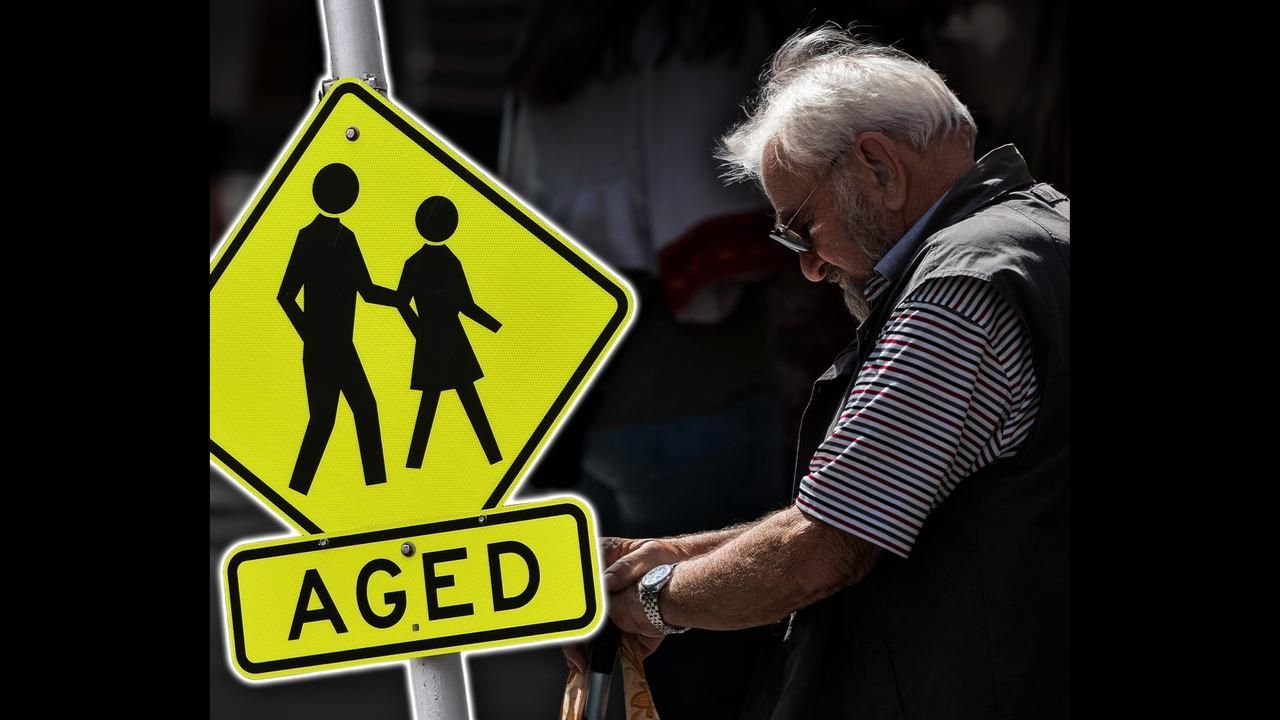
Millions of Australian motorists are being reminded to watch their speed as students return to classrooms, with Victoria Police stepping up enforcement around school zones and speeding fines starting at $261.
The warning comes after a particularly deadly period on Victorian roads and as increased numbers of children return to footpaths, crossings and drop-off areas around schools.
Drivers who have become accustomed to travelling at normal road speeds during the school holidays need to pay particular attention to signs from the beginning of the new term.
In Victoria, many time-based school zones operate during morning and afternoon travel periods on school days. Police have made clear that officers will be watching for more than speeding, with mobile phone use and pedestrian-crossing offences also attracting attention.
Zones Return
Victorian school speed zones are designed to reduce the risk faced by children travelling between home and school.
Standard time-based school zones operate from 8am to 9.30am and again from 2.30pm to 4pm on weekdays during Victorian school terms. They generally do not operate on public holidays.
However, motorists should not assume every school zone carries exactly the same limit.
Current Transport Victoria guidance shows that school-zone limits can vary according to the road environment. Some locations have 30km/h limits, many operate at 40km/h, while certain rural roads can have 60km/h school-zone limits.
Permanent school zones also exist and apply continuously.
The safest approach is simple: check the signs when approaching every school rather than relying on memory.
$261 Fine
Getting caught even slightly above the posted limit can prove expensive.
Under Victoria’s current speeding penalties, effective from July 1, 2026, exceeding the speed limit by less than 10km/h attracts a $261 fine and one demerit point.
The consequences rise quickly as the speed increases.
Travelling between 10km/h and 24km/h above the limit carries a $418 penalty and three demerit points for a full-licence driver.
Exceeding the limit by 25km/h to 29km/h can result in a $575 fine and a three-month automatic licence suspension.
At the highest end, travelling at least 45km/h above the applicable speed limit can bring a $1,046 fine and a 12-month automatic licence suspension.
That means a moment of inattention while passing a school can have consequences extending well beyond the initial fine.
Police Warning
Victoria Police has confirmed officers will be enforcing school-zone rules as children return.
Police said they would be watching for speeding, illegal mobile-device use and drivers who fail to stop when required at pedestrian crossings.
Superintendent Michael Kelly urged road users to take additional care around schools.
The enforcement push follows alarming road statistics for the state. Victoria Police reported 40 road deaths during September 2026, compared with 28 during September the previous year. September was the state’s deadliest month of 2026 up to that point.
Pedestrians remain a particular concern.
Police figures released with the school-return warning showed 38 pedestrians had died on Victorian roads during 2026, while Monday recorded twice as many pedestrian deaths as any other day of the week.
Children at Risk
The hours around the beginning and end of the school day create a particularly challenging environment for drivers.
Children may unexpectedly enter the road, emerge from behind parked vehicles or cross near busy drop-off points.
Victoria Police reported 305 collisions involving pedestrians aged 17 or younger during the latest recorded 12-month period, with collisions most commonly occurring between 8am and 9am and between 3pm and 4pm.
Those periods closely overlap with school arrival and departure times.
Lower speeds give motorists more opportunity to react and can dramatically affect the outcome when a pedestrian is struck.
Transport Victoria says a pedestrian struck by a vehicle travelling at 30km/h has a much higher chance of surviving than someone hit at 40km/h or 50km/h.
Cameras Apply
Motorists should not assume enforcement requires a police officer standing beside the road.
Fixed and mobile road-safety cameras can operate in 40km/h zones, including school areas. Victoria’s road-safety authorities say cameras are used to discourage speeding and red-light offences in places with significant pedestrian activity.
Mobile cameras can also operate at approved locations.
Drivers therefore need to observe the signed limit throughout the entire zone, rather than slowing only when police or a camera can be seen.
Other Offences
Speed isn’t the only costly mistake motorists can make near a school.
Using a portable device such as a mobile phone illegally while driving currently carries a $627 fine and four demerit points in Victoria when detected by road-safety cameras.
Failing to correctly wear a seatbelt can result in a $418 fine and three demerit points.
School areas also bring additional pedestrian activity, buses, cyclists and parents pulling into or leaving parking spaces, making distractions particularly dangerous.
Rules Differ
Drivers travelling interstate should remember that school-zone operating hours and restrictions are not uniform across Australia.
Each state and territory sets its own arrangements, and limits can also vary between individual roads.
For Victorian motorists, the key rule is to follow the speed displayed on the school-zone signs. Time-based zones normally operate during the designated school-term periods, while permanent zones remain active at all times.
Electronic signs can also display changing limits depending on the time and road conditions.
Check the Sign
After weeks of school-holiday driving, it can be easy to forget that a familiar road has returned to its lower term-time limit.
That small lapse can now cost at least $261 and one demerit point in Victoria, with substantially tougher penalties for higher speeds.
More importantly, the return of students means thousands of children are again walking, cycling and crossing roads during the busiest school periods.
With police increasing their presence around school zones following a deadly month on Victorian roads, motorists have a straightforward message to remember: slow down, put the phone away, watch for pedestrians and obey the speed shown on the sign.